Venerable Ambrose of Optina. From Letter 391.

You also write that Peter Damascene confused you with what he said in Part 2, Homily 8, about tears, saying that before cleansing from passions, they are nothing other than the delusion of demons. Reread this chapter carefully. It's not stated that way, nor is the meaning correct; you've greatly emphasized it. The main meaning here is impartiality; and he says that the tears of those living among people, preoccupied with sensual, that is, worldly, things, are caused by the mockery and theft of demons. But your efforts related to your treasury duties don't fall under this category; what is done out of holy obedience, according to monastic duties, cannot be called vain care. Of course, even in such cases, one must carefully guard oneself and conduct oneself in the fear of God, guarding one's conscience. It is true that tears, before being cleansed of passions, are not entirely pure, but, according to St. John Climacus, they are purified and made right if, while weeping and crying, a person always thinks of the end of this life and of his presence at the Last Judgment, and of the final utterance therein. And then they also purify the soul of the weeper. During tears, one must guard against vanity and arrogance, which make tears like swamp water, where leeches and other hideous vermin breed. Secondly, during tears, according to St. John Climacus, one must guard against the seduction of unreasonable joy, lest one accepts a wolf instead of a shepherd. This saint expresses amazement at the extent to which the cunning enemy has contrived to transform the source of virtue, that is, weeping, into a source of passions.
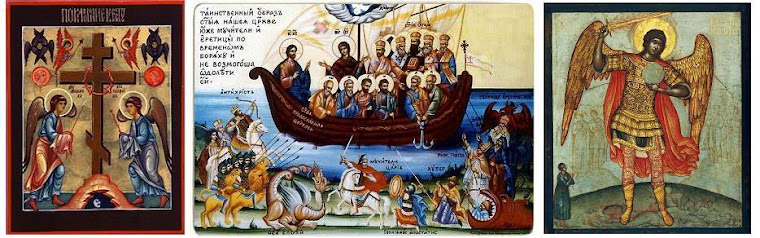
If a person can weep, then let him weep wisely, humbly, with heartfelt contrition, and with the remembrance of his sins (but not of carnal details, for that is more harmful), and with the remembrance of death and God's judgment. Saint John Climacus writes that the mental Pharaoh, who is called a roaring lion by the Apostle Peter, is drowned in the water of tears, just as you yourself once imagined. It is rightly said that in the water of tears and tender weeping there is no place for this roaring lion, seeking to devour someone. Mother N. asks whether she may keep the sisters' money for safekeeping. If the ancient, strict order of communal life had been preserved, when the residents were given everything they needed, then this would be inappropriate and could be considered improper; but at the present time, due to the general weakness of both superiors and subordinates, it is absolutely impossible to forbid this. There can be need and a immediate demand for the latter.

No comments:
Post a Comment